
Whether you are scanning the waterhole from the viewing deck at first light, tracking lion spoor on a guided bush walk, or watching the Manyeleti sky erupt in stars after supper - adventure at Ndzhaka Tented Camp begins the moment you arrive.
Animal Encounters
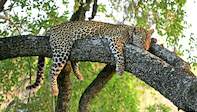
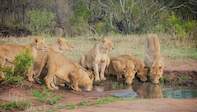
The dry winter months from May to October offer the finest game viewing across the Manyeleti. As water becomes scarce, wildlife concentrates around permanent sources, including the waterhole directly in front of camp, and sightings of elephant, buffalo, lion, leopard, and rhino are both frequent. The thinning of the vegetation makes big game easier to spot and track in the open vehicle.
Summer (November to March) brings the rains, lush growth, and the arrival of newborns -impala lambs, elephant calves, and baby warthogs, as well as an influx of migratory birds that makes this one of the finest birding periods in the Lowveld.
Hear lions roaring through the night, hyenas calling from just beyond the treeline, and waking to find elephants browsing at the edge of your deck. This is the real wild Africa!
Wildlife Photography
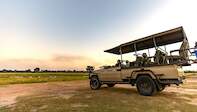
The Manyeleti is a photographer's reserve. With no tarred roads and far fewer vehicles than the Kruger National Park, sightings are unhurried and uninterrupted. Open game drive vehicles allow for low-angle shots and the ability to position for the light.
The viewing deck at Ndzhaka Tented Camp, beneath the great Jackalberry tree overlooking the waterhole,is a remarkable natural hide where animals approach unaware, offering close, undisturbed frames of elephant, nyala, and a variety of raptors and waterbirds.
The Lowveld sunsets, burning orange and deep copper above the thornveld, add a dramatic backdrop to the end of every day.
Relaxing at Ndzhaka Tented Camp
Not every moment at Ndzhaka needs to be an expedition. The viewing platform beneath the Jackalberry tree rewards those who simply sit still. Animals arrive at the waterhole throughout the day, and the bush reveals itself to the patient observer.
A resident herd of nyala grazes close to camp with reassuring regularity, and the communal dining area has the easy conviviality of a shared table where you can swap sightings over coffee and cold drinks.